Foraging, Waterproof Clay Plaster, and Orchard Barn Update
The Mud Home News for July 2026

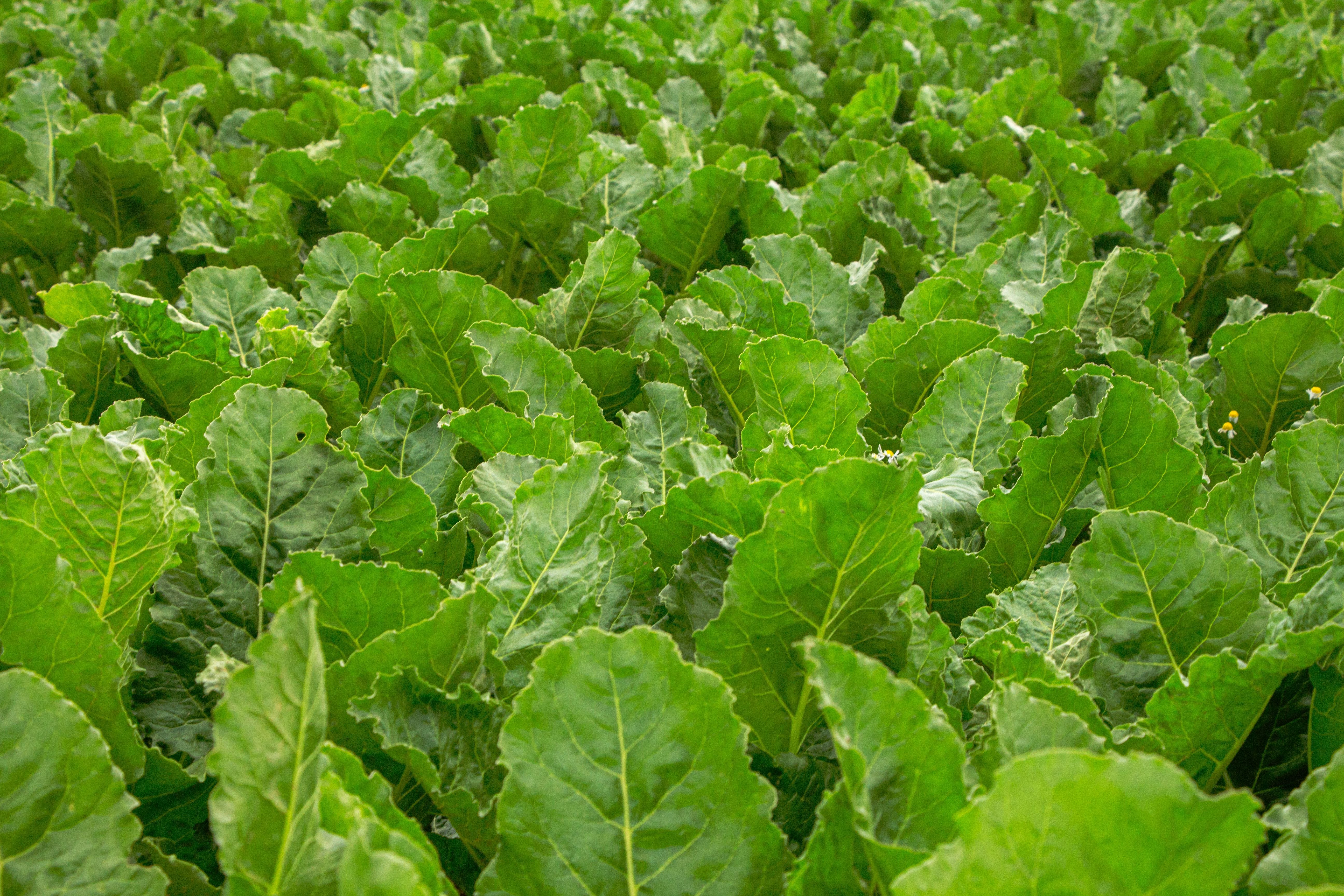
Hello folks! Summer is well and truly upon us here in Britain. Since I returned from Bulgaria, the country has been basking and sweating and steadily turning redder. The fields of East Anglia roll in golden waves while everyone runs to the beach. One thing I’m glad about is that the sea beet is surviving. Sea beet is my favourite weed in this region. This hardy nutritional goodie hangs out all along the British coast.
Foraging: A Skill Everyone Should Learn
Foraging is right up there with mud building for me in terms of usefulness. It’s such an old, practical skill that connects us back to the land in a way that no supermarket ever will. And it’s bonkers because no one, I repeat no one, is doing it! So there’s free food everywhere. Foraged weeds haven’t been manipulated the way our modern veg have, so they contain special nutritional keys to our health. Here are my top 9 easy plants to forage.
You can also watch my 2020 video of foraging in northern Spain here (from the archives).
The thing is, however, foraging is very region dependent. It’s a wonderfully localised sport. What grows in Asturias might not grow in Japan.
More Worldwide Foraging Resources
So here are are some other superb resources for anyone who wants to start getting healthy food for free.
The Woodland Trust’s foraging guide is a lovely place to start if you’re in the UK. It breaks things down month by month, so you always know what’s actually in season.
If your foraging takes you further afield, this piece on foraging in Japan is a fascinating read. Sansai, or mountain vegetables, have been gathered there since the Jomon period, and the article walks through classics like mugwort, butterbur and bracken.
Over to Vermont in the U.S. For the list-lovers among us, Practical Self Reliance’s forager’s bucket list is an enormous resource.
For those down under, this documentary on Australian bush tucker is well worth your time, and fascinating even if you’re not Australian. Australia is home to thousands of native edible species, and the film does a beautiful job of showing how that knowledge fed people for 60,000 years, and why it still matters now.
2. Orchard Barn: Clay Plastering and Nettle Weaving
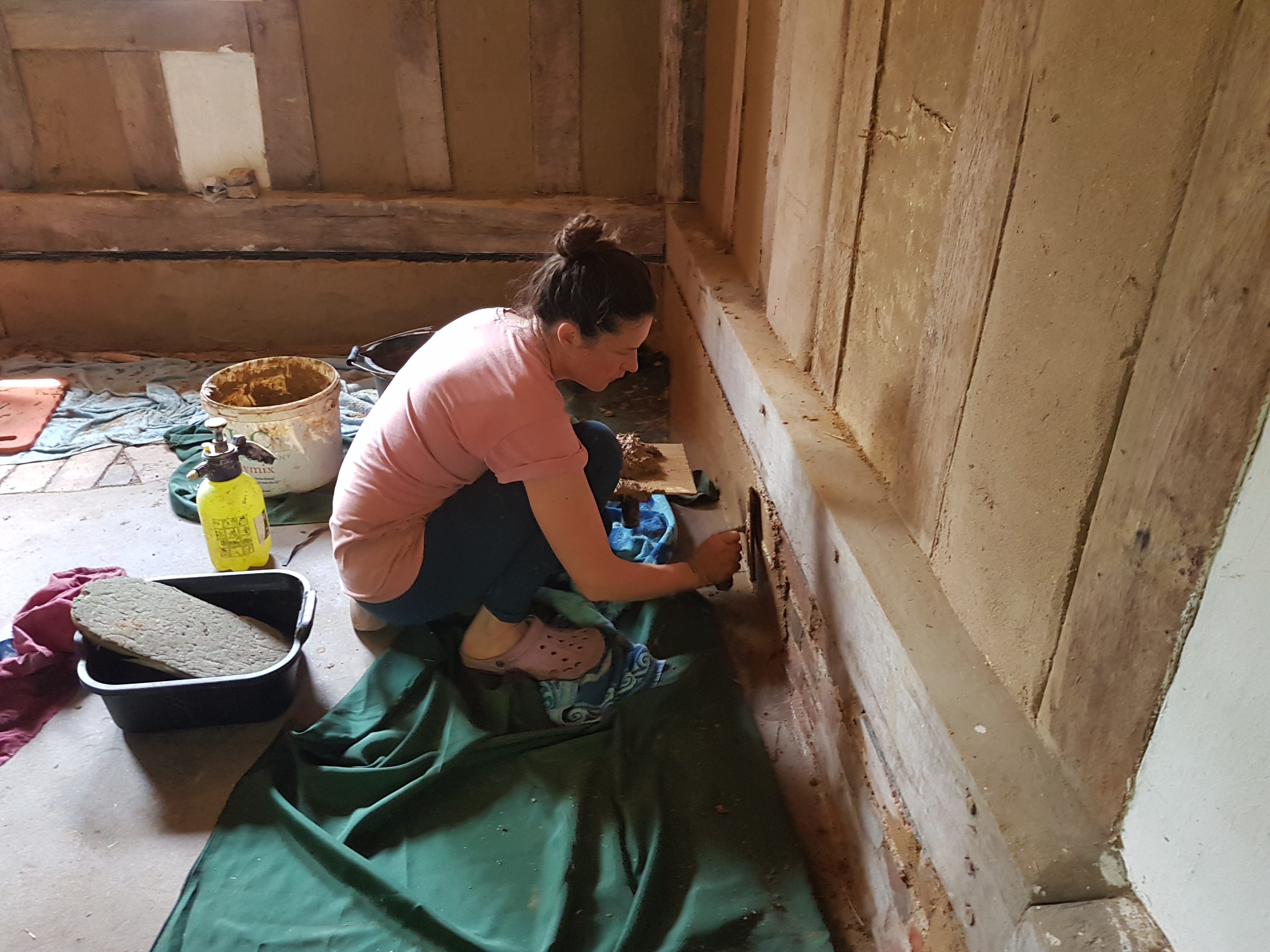
Last week I was back at my favourite place in Suffolk, working with some volunteers to finish the final parts of plasterwork in the barn. Wow, what an incredible project this has been. I take my hat off to Sarah and the gang for this brave rebuild of a collapsed Tudor longhouse. If you haven’t seen the video I shot last year which outlines this project, you can see it below.
Orchard Barn is an amazing local resource and teaches such a range of ancient skills from timber framing to how to turn nettles into twine.
They are currently on a fundraising mission and offering a bunch of very inexpensive courses as part of the campaign. So if you are in the area and want a guided tour of this wonderful site, or want to learn how to make nettle string, take a look!
3. Waterproofing Cob, the Old-Fashioned Way
For all my fellow mud builders, this video from Ontario Permaculture is a gem. Bryce and Misty walk through waterproofing a cob surface using hardening linseed oil, beeswax, and a baked earth ochre paint. This is probably the best video on this subject I’ve found.
Final note: I’ll be honest, I need your help to keep this place alive.
For 14 years I’ve given almost away everything I know about natural building and off-grid living for free (30,000+ downloads of my Mud Earthbag PDF alone!) But like Wikipedia, the Mud Home runs on support from people like you, not ads or sponsors. And that support appears to be dwindling.
If The Mud Home has ever helped or inspired you, join me on Patreon (or become a paid subscriber here on Substack). You’ll get the Mud Home Podcast, direct access to ask me anything, exclusive videos, and more — and you’ll be keeping the Mud Home open source for everyone in the world.